After the brief detour through Rakitnica Canyon, we drove onwards towards Mostar. Especially when driving through smaller cities and towns onwards in our journey, you still see many buildings with gunshot holes and shell impacts still clearly visible on them. Slowly the mines are being erased, but there is a long way to go… So be warned, do not thread too far off the beaten path in Bosnia! There have been more injuries and deaths caused by landmines after the war (5000+) than during the war (3339). As a result, the country has had the most severe landmine problems in the world. Outside of the city you find yet another ‘dark tourism’ sight related to the Siege of Sarajevo; the Tunnel of Hope… This tunnel was created to keep supplying the city and as a ‘portal through the outside’ during the long Sarajevo siege.
While rebuilding such sites holds symbolic weight for religious groups- establishing them en masse, with donations from countries like Serbia, Croatia and Turkey, places political intention at the forefront. Remnants of the war are very much visible, even in larger cities such as Sarajevo and Mostar. This has meant that influxes of wealth into BiH such as aid and investment (and social needs more generally) are often highly contested between factional governments, leading to high rates of corruption, nepotism, and neglect. The DPA installed a highly fragmented government which has solidified divisions and complicated political engagement for its citizens. Economic and political instability are therefore major factors hindering BiH’s recovery from the war.
It is clear to see that local agency in the definition of BiH’s history, whether it be within ‘dark tourism’ or not, is the key to making sense of a productive narrative for all. Tourism is key to aiding Bosnia and Herzegovina’s recovery from the war. Redefining this space reflects a momentum for change from Mostar’s local population, to connect to a past they and their parents experienced but with energy to recycle its meaning for a new identity beyond war. This speaks to an almost unwilling acceptance of the popularity of the tower amongst tourists and even of dark tourism more generally.
- After the war, peacekeepers cleared an area and soon traders began to set up makeshift buildings to sell their wares.
- BiH is among the least competitive economies in Southeast Europe and government officials have made little progress to enact necessary reforms to strengthen the business environment.
- Street vendors in countries where there is little enforcement of copyright law, particularly in Asia and Latin America, often sell copies of films, music CDs, and computer software such as video games, sometimes even before the official release of the title.
- In Bosnia and Herzegovina, laws on the confiscation and management of criminal proceeds have been adopted at the entity level, including in Brčko District.
- It is a hub for financial cybercrime and offers a wide range of illicit services and stolen data that cater to sophisticated cybercriminals.
- Since 2020, 2easy has sold massive stealer logs with sensitive data like passwords, bank cards, and initial access credentials.
The digital landscape has transformed our world in numerous ways, including how goods and services are exchanged. Among the more controversial aspects of this transformation are dark markets, which have emerged as notable platforms in various regions, including Bosnia. Understanding the characteristics, implications, and risks associated with these markets is crucial, particularly for those seeking to navigate the complex online world safely and responsibly.
Dark Markets Bosnia
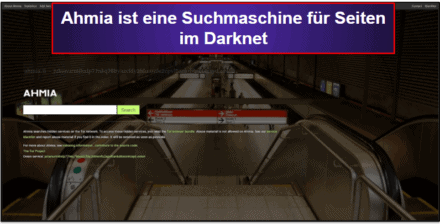
Dark markets refer to online platforms that facilitate the buying and selling of illegal goods and services, typically operating on the dark web. These markets often utilize cryptocurrency to maintain anonymity and security. In Bosnia, as in other regions, these markets can pose significant challenges and risks, not just for buyers and sellers, but for law enforcement and society as a whole.
Characteristics of Dark Markets
- Anonymity: Users often transact anonymously, making it difficult for authorities to track illegal activities.
- Cryptocurrency Transactions: Most payments are conducted using cryptocurrencies like Bitcoin, which provide a layer of security and anonymity.
- Variety of Goods: These markets offer a wide range of illegal goods, including drugs, weapons, counterfeit items, and stolen data.
- Regulated Access: Access typically requires specific software, such as Tor, to help users navigate the dark web.
The Impact on Society
The existence of dark markets in Bosnia raises several concerns, including:
- Crime Rates: The availability of illegal goods can contribute to increased crime rates and create public safety issues.
- Health Risks: The sale of unregulated substances can endanger users' health, leading to potential fatalities.
- Economic Consequences: Illegal transactions undermine local businesses and can lead to broader economic repercussions.
Legal Implications
Engaging with dark markets can result in severe legal consequences. Authorities in Bosnia and around the world are increasingly monitoring and cracking down on these platforms. Legal ramifications can include:
- Criminal charges for possession or distribution of illegal goods.
- Seizure of assets acquired through illegal activities.
- Potential imprisonment for serious offenses.
FAQs about Dark Markets in Bosnia
What types of goods are commonly found on dark markets?
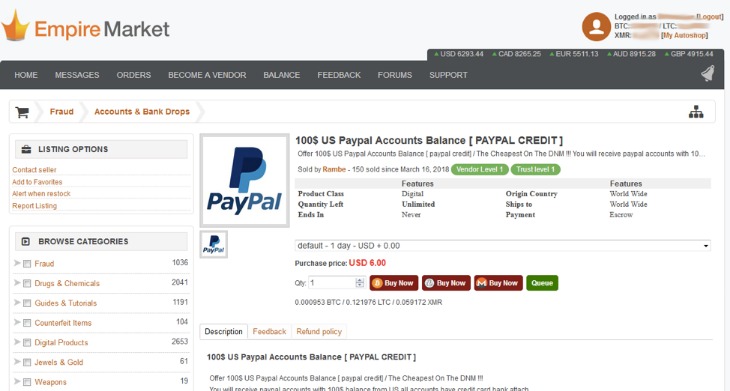
Common items include drugs, counterfeit currencies, hacking services, and stolen data. The nature and legality of these goods vary widely.
Are dark markets legal?
No, engaging in transactions on dark markets is illegal in Bosnia and many other countries. Both buying and selling illegal goods can lead to criminal prosecution.
How can individuals protect themselves from dark market risks?
It's essential to stay informed about the dangers of dark markets, avoid illegal transactions, and report any suspicious activities to local authorities.
Understanding dark markets in Bosnia is vital for ensuring individual safety and community well-being. Awareness and education can help prevent individuals from becoming entangled in illegal activities and their potential repercussions.