In today's digital age, the surge of online transactions and cryptocurrency has introduced new avenues for both legitimate trade and illicit activities. One of the more alarming trends that has emerged is the proliferation of counterfeit money, particularly in hidden online marketplaces often referred to as the "dark web." Within this shadowy realm, users may encounter something known as counterfeit money onion, a term that encapsulates the complexities of illegal financial transactions. Understanding this concept is vital for individuals looking to protect themselves from fraud and learn about the risks associated with counterfeit currency.
Founded in 2012, it stores snapshots of websites, making it possible to “go back in time” and see what websites used to look like and what information they contained. In some countries, such as China and North Korea, the government uses heavy online censorship and blocks many dark web websites. It collects data from the public Tor network and archives historical data of the Tor ecosystem. However, data is required for understanding, monitoring, and improving the network.
In either case, if you spend any of the money and the money order is found to be fake, the bank will likely charge a “deposit item returned fee.” If you deposit a fake money order, there’s a chance that the bank will cash it and make the funds available right away. Just like any other money order, you will look for security features such as watermarks that should be visible when held to the light, legal amounts, etc. Money orders can be a great way to exchange funds if you prefer a non-electronic option but don’t have access to paper checks from a bank account. To learn how to detect counterfeit money by looking at the numbers and portrait on the bill, scroll down!
What is Counterfeit Money?
Counterfeit money refers to currency that has been forged or replicated with the intent to deceive and use it as if it were legitimate. The production of counterfeit money can have severe implications for individuals and economies alike, leading to financial losses and a general distrust in monetary systems. It is essential to recognize the various forms of counterfeit money and how it circulates, especially in underground markets.
- Donald J. Mihalek is an ABC News contributor, retired senior Secret Service agent and regional field training instructor who served during two presidential transitions.
- It is often used for illegal activities, including the sale of counterfeit money, because it provides a high degree of anonymity.
- Counterfeiters may use specialized equipment to create their own watermarks or attempt to replicate the original watermark by manipulating the paper during the printing process.
- By doing so, it undermines the integrity and stability of financial systems while perpetuating illicit activities.
- Will the classic news-parody format survive as the company turns toward other, much more profitable projects?
How Counterfeit Money is Produced
The creation of counterfeit money involves advanced methods, including digital printing techniques and the use of high-quality materials that mimic real currency. Technological advancements have made it easier for criminals to produce increasingly convincing replicas. Understanding the methods used for creating counterfeit money onion not only raises awareness but also helps identify red flags when encountering suspicious currency.

The Role of the Dark Web
- In conclusion, Counterfeit USD is a deceptive online storefront that capitalizes on individuals’ vulnerability and desperation, offering counterfeit money disguised as genuine currency.
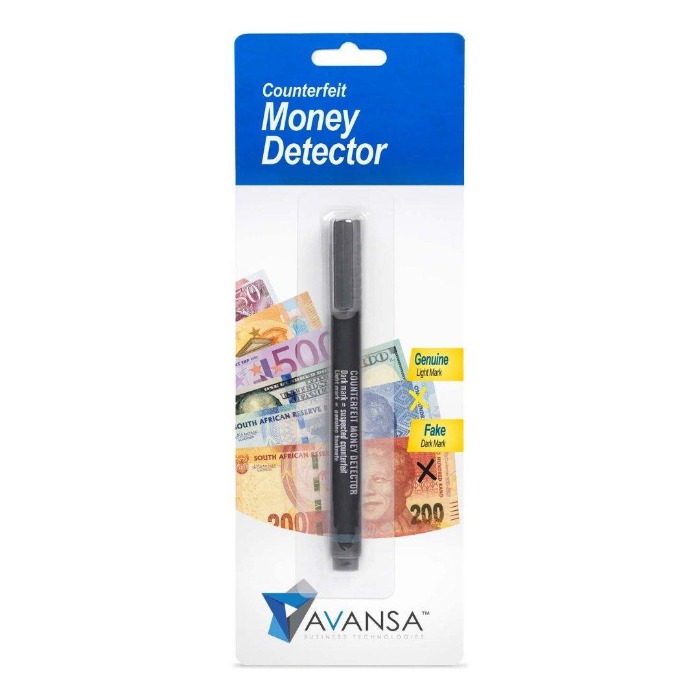
- However, if the pen is applied to counterfeit money, it will leave a dark or black mark.
- If you don’t take the necessary measures, many unsavory activities can expose you to unnecessary risks.
- The anonymity provided by onion routing comes at the cost of slowing your internet considerably.
- Thanks to prop money online stores, purchasing fake prop money is easier than ever.
The dark web plays a pivotal role in the distribution of counterfeit money. This part of the internet is not indexed by traditional search engines and requires specific software to access. Within hidden marketplaces, vendors often sell counterfeit currency under the guise of anonymity, posing a significant risk to unsuspecting buyers. The term counterfeit money onion derives from the onion routing technology used to mask the identities of users on the dark web, illustrating the layered and secretive nature of these transactions.
Risks and Consequences
Engaging with platforms that trade in counterfeit money onion can lead to severe legal repercussions. Law enforcement agencies worldwide are increasingly vigilant in tracking down and prosecuting individuals involved in counterfeit operations. Moreover, unwittingly accepting counterfeit money can have dire consequences for businesses and individuals, including arrests, fines, and reputational damage.
Spotting Counterfeit Currency
Becoming informed about how to recognize counterfeit money is crucial for everyone. Here are some tips to help spot fakes:
- Feel the Texture: Genuine banknotes have a distinct feel due to their unique printing processes.
- Check for Watermarks: Look for embedded security features, such as watermarks and security threads.
- Inspect the Printing: Observe the quality of printing; counterfeit bills often have unclear images or text.
Educational Measures to Combat Counterfeiting
Educating oneself and the community about the risks associated with counterfeit money onion is critical in combating this issue. Schools, institutions, and community groups can host workshops and seminars to spread awareness about the dangers and legal implications of counterfeit currency. Additionally, literature that provides comprehensive information about recognizing counterfeit money can empower individuals to act responsibly.
Conclusion
As technology continues to evolve, so too do the methods used by criminals in the world of counterfeit money. By understanding the intricacies of counterfeit money onion and remaining informed on best practices for identifying fake currency, individuals can better protect themselves from falling victim to fraud. Staying vigilant and informed is key to safeguarding personal and financial wellbeing in an increasingly complex digital landscape.