- Another difference you’ll notice is that instead of seeing web addresses with a “.com,” “.org,” “.edu,” or “.gov” suffix, they’ll end in “.onion.”
- Who’s talking about your company on hidden forums?
- The dark web is a playground for hackers, cybercriminals, and people with nefarious objectives.
- These areas usually need specific darknet browsers such as Tor, which bounces the traffic through several layers or nodes to avoid the identification of IP addresses.
- A dark web browser, like the Tor browser, is designed to access hidden networks.
- But just like when you’re online normally, the risks increase depending on what you do while visiting dark web websites.
And it can be dangerous if you slip up and your identity is discovered. Thus, sites on the Dark Web can be visited by anyone, but it is very difficult to work out who is behind the sites. Put simply, there’s a lot more secrecy than the already secret act of using Tor to visit a website on the open internet – for both parties. Just as your IP address is bounced through several layers of encryption to appear to be at another IP address on the Tor network, so is that of the website.
The dark internet is a term that evokes curiosity and intrigue, often associated with hidden activities and a layer of the online world that remains largely inaccessible to the average user. It is essential to understand what the dark internet is, how it operates, and its implications for safety and privacy. This article aims to demystify the concept, shedding light on its purpose and the potential risks involved.
What is the Dark Internet?
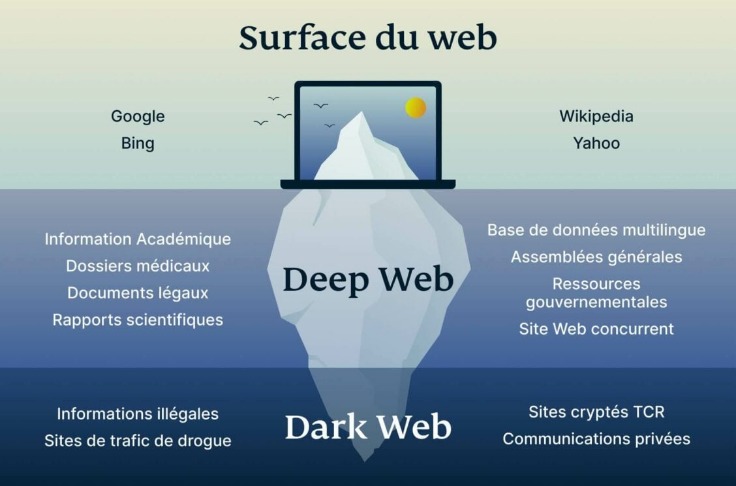
The dark internet refers to the part of the internet that is not indexed by search engines like Google, Bing, or Yahoo. It consists of websites that require specific software or configurations to access. The most commonly known software for accessing this hidden web is Tor (The Onion Router), which encrypts users' internet traffic and masks their IP addresses to enhance privacy.
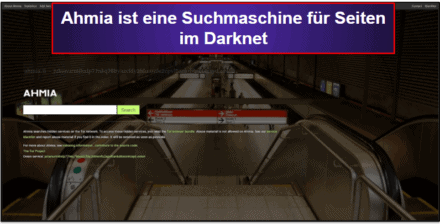
- Other dark web search engines worth investigating are Ahmia, Torch, NotEvil, and the Onion URL Directory—just type out some keywords for what you're looking for.
- Some of the websites to look out for on the dark web include mirrors of both the BBC and the ProPublica investigative journalism platforms, built to help inform people who are living in countries where the internet is heavily censored.
- Similar to using a standard web browser to access the open web, the act of using Tor or a dark web browser to access the dark web is not illegal in and of itself.
- The dark web often connotes illicit activities like illegal drug sales and hacking.
- This network contains thousands of volunteers who operate proxy servers to route dark web requests.
Key Characteristics of the Dark Internet:
- Anonymous Access: Users often browse anonymously, making it challenging to trace their online activities back to them.
- Specialized Software Required: Accessing the dark internet typically requires specific tools like Tor.
- Varied Content: While some of the content can be legal and benign, much of it includes illegal activities, such as drug trafficking and illicit marketplaces.
How Does the Dark Internet Work?
The dark internet operates on overlay networks that exist on top of the regular internet. Here’s a brief overview of its functioning:
- Encryption: Traffic is encrypted and routed through multiple nodes, protecting user identity.
- Hidden Services: Websites on the dark internet often use ".onion" domain extensions, uniquely configured to be accessed through the Tor browser.
- Decentralized Nature: No single entity controls the dark internet, which contributes to its anonymity and lack of regulation.
Potential Risks of the Dark Internet
While the dark internet does provide a platform for privacy and free speech, it also has inherent risks:
- Illegal Activities: Users may encounter criminal activities that could lead to legal consequences.
- Scams and Fraud: Many sites are unregulated, increasing the risk of scams and fraudulent schemes.
- Cybersecurity Threats: There’s a higher likelihood of encountering malware and cybersecurity threats.

Is There a Safe Way to Explore the Dark Internet?
If you feel compelled to explore the dark internet, consider these safety precautions:
- Use a VPN: A Virtual Private Network can provide an additional layer of security.
- Keep Software Updated: Ensure your browser and security software are up to date to protect against vulnerabilities.
- Be Cautious: Avoid sharing personal information or engaging in risky activities.
FAQs About the Dark Internet
Q: Is the dark internet illegal?
A: The dark internet itself is not illegal; however, many of the activities conducted on it can be against the law.
Q: Can I access the dark internet without special software?
A: No, accessing the dark internet typically requires software like Tor.
Q: Is everything on the dark internet illegal?
A: No, not all content on the dark internet is illegal; some users seek privacy for legitimate reasons.
Understanding the dark internet can empower individuals with knowledge about its complexities and risks. Awareness is essential in navigating this ambiguous part of the online world, ensuring informed and safe decisions.