In recent years, the emergence of dark markets Brazil has raised numerous concerns regarding security, legality, and public health. These online marketplaces, often hidden from the surface web, offer a range of illicit goods and services, creating a complex web of risks and consequences. Understanding how these markets operate is crucial for individuals looking to protect themselves and their communities.
After the success of Portugal and Spain in the slave trade other European nations followed. According to John K. Thornton, Europeans usually bought enslaved people who had been captured in endemic warfare between African states. Estimates are imprecise, which can affect comparison between different slave trades. Four million enslaved people exported via the Red Sea, another four million through the Swahili ports of the Indian Ocean, perhaps as many as nine million along the trans-Saharan caravan route, and eleven to twenty million (depending on the author) across the Atlantic Ocean. Slavery was an important part of the economic structure of Africa although its relative importance and the role and treatment of enslaved people varied considerably by society.
What are Dark Markets?

Operation RapTor was a global, coordinated effort by law enforcement in the United States, Europe, South America, and Asia to disrupt fentanyl and opioid trafficking, as well as the sales of other illicit goods and services, on the darknet, or dark web. A similar pattern is seen on shadow forums, where listings for the sale or distribution of government-related personal data, documents, or access credentials make up 43% of all such listings. Another global trend of shadow markets observed in Brazil is the division of labor within the cybercriminal community, particularly in the sale of access to corporate infrastructure.
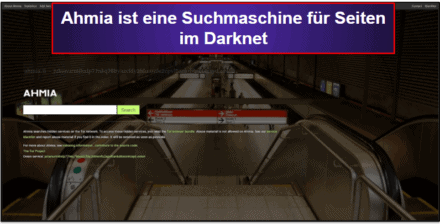
Dark markets refer to online platforms primarily accessed through anonymized networks, such as the Tor network. These marketplaces allow users to buy and sell illegal products, including drugs, weapons, and stolen data, while maintaining their anonymity. The allure of these markets lies in the perceived safety and privacy they offer to vendors and consumers alike.
Current Landscape of Dark Markets in Brazil
- Understanding darknets is essential for organizations to recognize and combat the threats they pose.
- Nearly half of the cyberattacks on Brazil's government systems in 2024, as detected by the Cyber Incident Prevention, Handling and Response Center of Brazilian Government (CTIR Gov), resulted in data breaches.
- According to the US Department of Justice and Europol, Operation Dark HunTor saw law enforcement make numerous arrests in the United States (65), Germany (47), the United Kingdom (24), Italy (4), the Netherlands (4), France, (3), Switzerland (2), and Bulgaria (1).
- Since the fall of the Western Roman Empire, various systems of slavery continued in the successor Islamic and Christian kingdoms of the peninsula through the early modern era of the Atlantic slave trade.
- Dahomey King Agaja, who ruled from 1718 to 1740, took control of key trade routes for the Atlantic slave trade by conquering the neighbouring kingdoms of Allada in 1724 and Whydah in 1727.
Brazil has seen a notable rise in dark market activity, driven by various factors, including economic instability and widespread internet access. Regions with less stringent law enforcement often experience a higher prevalence of these markets, making it essential for Brazilians to be informed about the risks involved.
The Types of Goods Available
Among the common trades found on dark markets Brazil, illicit drugs are the most prevalent. These include everything from marijuana to more potent substances like cocaine and synthetic drugs. Additionally, users can find stolen credit card information, counterfeit goods, and even hacking services, creating a dangerous ecosystem that threatens both individuals and society at large.
- Tourism in Brazil is a growing sector and key to the economies of several regions of the country.
- Black markets exist outside government control and usually deal in illegal goods or services, or in goods traded to avoid rules and taxes.
- We provide services including market sizing, trend analysis, competitive landscape evaluation, and industry-specific data, all aimed at addressing the specific requirements of our clients.
- The rapid industrial automation across various sectors such as manufacturing, oil & gas, power generation, and mining is expected to drive the growth of the global dark factories market over the forecast period.
Risks Associated with Dark Markets
Engaging with dark markets can lead to significant dangers. Users risk legal repercussions, including criminal charges, as law enforcement agencies increasingly monitor these platforms. There is also the aspect of scams; many buyers fall prey to fraudulent sellers, losing money without receiving any products. Finally, the health risks associated with purchasing unregulated substances can be life-threatening.
Protecting Yourself and Your Community
Education plays a crucial role in combating the threats posed by dark markets Brazil. By understanding their operation and the risks involved, individuals can make informed decisions and avoid potential pitfalls. Community awareness and open dialogue about the dangers of dark markets can empower citizens to seek help and report suspicious activities.
The Role of Law Enforcement
Brazilian law enforcement agencies are increasingly focusing on dismantling dark markets through coordinated operations and international collaboration. These efforts highlight the importance of strengthening legal frameworks to address the unique challenges posed by these online platforms.
Conclusion
The rise of dark markets Brazil presents significant challenges that require a collective effort to address. By staying informed and fostering community dialogue, individuals can protect themselves and contribute to a safer environment. Awareness is the first step towards combating the dangers of online illicit trade and ensuring a healthier society for all.