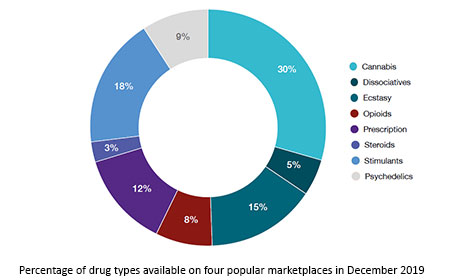
The digital landscape is continuously evolving, giving rise to new technologies and marketplaces that operate outside traditional systems. One such development is the emergence of cryptomarkets darknet, a term that refers to a secretive part of the internet where transactions are made using cryptocurrencies. These marketplaces operate under a veil of anonymity, attracting diverse users for various purposes, both legal and illegal. Understanding how these cryptomarkets function is essential to navigate the complexities of online security and awareness.
These measures rely on the fact that the more topics a user has started and the more engagement those topics received, the greater the likelihood that they are a (successful) vendor. To evaluate the network measures we compare them against three activity indicators, which serve as our baselines. High PageRank centrality is often an indicator of being well connected to other important users. The bidirectional harmonic closeness centrality29 is a measure of a user’s ability to reach the entire network, following paths regardless of link direction. Note that we rely on all data prior to the given month and not only the most recent month(s), because a vendor’s reputation plays an important role in their success and is based not just on the most recent activity.
Cryptomarkets Darknet
It locks your messages so only the right person can read them—super handy when you’re dealing with sensitive stuff on the dark web. Monero’s my go-to for dark web payments because it’s darn near impossible to trace. Plus, we’ve got some fresh takes on dark web trends and how to get started.
Cryptomarkets are online platforms that specialize in the buying and selling of goods and services, often in exchange for cryptocurrencies like Bitcoin or Monero. These markets are not indexed by traditional search engines and require specific software, such as Tor, to access them securely.
Key Characteristics of Cryptomarkets Darknet
- Anonymity: Users can browse and transact without revealing their identities, which is a significant draw for those looking to protect their privacy.
- Cryptocurrency Transactions: Most transactions are conducted in cryptocurrencies, which further delineates them from conventional digital marketplaces.
- Access via Special Browsers: To reach these markets, users typically require special software like Tor, which anonymizes users’ web activity.
- Regulation and Legality: Many items sold on cryptomarkets may be illegal, leading to constant law enforcement scrutiny and the presence of ethical dilemmas.
How Cryptomarkets Operate

Cryptomarkets function much like e-commerce platforms but within a lawless environment. Here are the primary elements that define their operations:
- The market accepts Bitcoin, Litecoin, and Ethereum as payment methods, catering to a wide range of users.
- 2b shows again positive difference scores between the top vendor percentile and all vendors.
- Despite achieving the best vendor recall, topic engagement is only able to detect up to 2/3rd of the most successful vendors for current success and even fewer for future success.
- If the address is in one of the cybercrime datasets, the person will receive an email that includes personalized instructions on how to clean up their computer and make it safe again.
- The existing literature on the darknet market focuses primarily on how reputation, status and escrow, together with repeated interactions, contribute to increasing sales by facilitating transactions between buyers and sellers 17–20.
- The SpecTor operation, for example, apprehended 288 vendors across nine countries, showcasing the importance of cross-border cooperation in tackling illicit activities on the dark web.
- Listing Products: Vendors list their products or services on the marketplace, often accompanied by user reviews to establish trust.
- Payment Procedures: Payments are made using cryptocurrencies, which are often lauded for their encryption and privacy features.
- Escrow Systems: Many markets use escrow services to hold funds until both buyer and seller confirm the transaction, safeguarding against fraud.
- Shipping and Delivery: Products are usually shipped discreetly to maintain anonymity, which presents challenges and risks for both parties.
Risks and Dangers
While the allure of cryptomarkets darknet may be significant for some, potential risks cannot be overlooked:
- Legal Consequences: Engaging in illegal transactions can lead to severe legal repercussions, including arrest and prosecution.
- Scams and Fraud: The lack of regulation on these platforms makes them susceptible to scams, potentially causing financial loss.
- Security Breaches: Cybersecurity threats are prevalent, with users risking exposure to hacking and identity theft.
- Reputation Risks: Association with illegal activities can tarnish an individual's reputation and professional standing.
FAQs about Cryptomarkets Darknet
Q: Are all activities on cryptomarkets illegal?
A: Not all activities are illegal; some vendors may offer legal goods or services, but the majority of popular items tend to fall into illegal categories.
Q: How can I access cryptomarkets safely?
A: Accessing these markets safely requires a good understanding of security protocols, using a VPN, and adhering to best practices for anonymity.
Q: Can I trust vendors on cryptomarkets?
A: While some vendors have established reputations through reviews, transactions remain risky due to the inherent lack of oversight.
Q: What should I do if I encounter a scam?
A: Report the incident to law enforcement agencies and avoid dealing with platforms or vendors that exhibit suspicious behavior.
As cryptomarkets continue to thrive in the shadows of the internet, education and awareness are crucial for individuals to protect themselves and navigate this complex landscape effectively. Understanding the mechanisms behind cryptomarkets darknet can ultimately lead to a more informed and cautious approach to online activities.