In the digital age, the internet connects us like never before, but it also presents risks and challenges, particularly in the realm of cybercrime. One aspect that has gained notoriety is carding deep web links, a practice that involves using stolen credit card information for various fraudulent activities. Understanding this phenomenon is vital for individuals and businesses alike, as it sheds light on how such operations function and the importance of cybersecurity measures.
Ahmia emerges as a robust dark web search engine offering more than just search results. As you discover the hidden depths of the web, ensure your sensitive data remains protected, no matter where it travels. With configurable user selection dialogs, it provides a user-friendly experience while maintaining strict security. Encryption-2-Go offers controlled encryption, container-based or directory encryption, and even detects existing BitLocker To Go encrypted drives.
Understanding Carding
Carding refers to the unauthorized use of stolen credit card information to make purchases, often through the dark web. The term itself is derived from the word "card," highlighting its focus on credit and debit cards. The existence of carding deep web links serves as a reminder of the darker side of online transactions, where anonymity reigns and illegal activities thrive.
The Mechanics of Carding
Typically, carders acquire stolen credit card information through various means, including data breaches, phishing scams, or the illegal sale of such details on the dark web. Once obtained, these details are often used through carding deep web links, which are specifically designed forums and marketplaces where such transactions can be conducted without raising suspicion.
Impreza provides an affordable hidden space for black websites to base their operations. While it’s a deep resource, it’s also illegal in many countries, because it may violate copyright restrictions, so check out the laws in your area before visiting. The Hidden Wiki doesn’t discriminate, so if you randomly start diving into the onion sites listed, you may come across objectionable or dangerous material. By staying informed, practicing caution, and making responsible choices, we can collectively promote a safer online environment and deter criminal activities on the Dark Web. Protecting personal information, safeguarding online security, and adhering to ethical standards should always be a priority.
- These checkers are often offered and sold on the dark web, and are complimentary tools that individuals and organizations use to verify credit card information.
- It is a good way to prevent third parties from tracking online activities.
- Full identity information may be sold as "Fullz" inclusive of social security number, date of birth and address to perform more lucrative identity theft.
- Here are some things to keep in mind while browsing your favorite dark web websites.
Common Methods Used in Carding
Carders deploy several strategies to maximize their chances of successful transactions:
- Account Takeovers: Gaining access to individuals' accounts to make unauthorized purchases.
- Card Testing: Making small purchases to verify if the card details are still valid before large transactions.
- Drop Addresses: Utilizing third parties’ addresses for deliveries to evade detection.
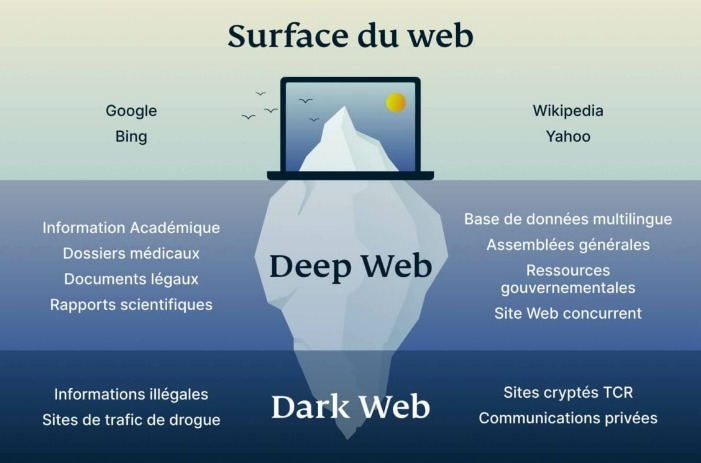
The Deep Web Landscape
- Through the dark web, users in places of high censorship can also access information and news.
- It’s, ironically, more conspicuous than using popular browsers and sites.
- The dark web is the part of the internet that’s not indexed by public search engines like Google.
- Lastly, remember that the traditional web offers countless legitimate ways to engage in online transactions and protect personal information.
The deep web comprises all parts of the internet not indexed by traditional search engines, including forums and marketplaces facilitating illegal activities. Here, carding deep web links play a crucial role; they provide connections to sellers, tools, and resources for those involved in carding. Awareness of the various platforms used for carding can help individuals protect themselves from becoming victims.
Protective Measures Against Carding Attacks
To combat the threats posed by carding and related cybercrimes, the following measures can be adopted:
- Monitoring Financial Statements: Regularly checking bank and credit card statements for unauthorized transactions.
- Using Strong Passwords: Implementing unique, complex passwords for online transactions and changing them periodically.
- Enabling Two-Factor Authentication: Adding an extra layer of security to online accounts for sensitive transactions.
Recognizing Signs of Fraud
Being vigilant about potential signs of fraud is essential in today's digital landscape. Look for:
- Unfamiliar charges on your accounts.
- Unexpected account alerts or notifications.
- Changes to personal information without your consent.
Conclusion
Understanding carding deep web links and the broader implications of carding is crucial in navigating the complexities of online financial transactions. By staying informed and adopting proactive measures, individuals can protect themselves from becoming victims of cybercrime. Awareness is the first line of defense in safeguarding our personal and financial information in an increasingly digital world.